

In industrial settings, electrolysis isn’t just another process — it’s often the core of how things get made, cleaned, or refined. At its heart, it’s electricity driving chemistry: splitting, purifying, or coating materials with precision. You’ll find it pulling pure copper from ore, scrubbing circuit boards clean, or breaking down tough industrial wastewater.
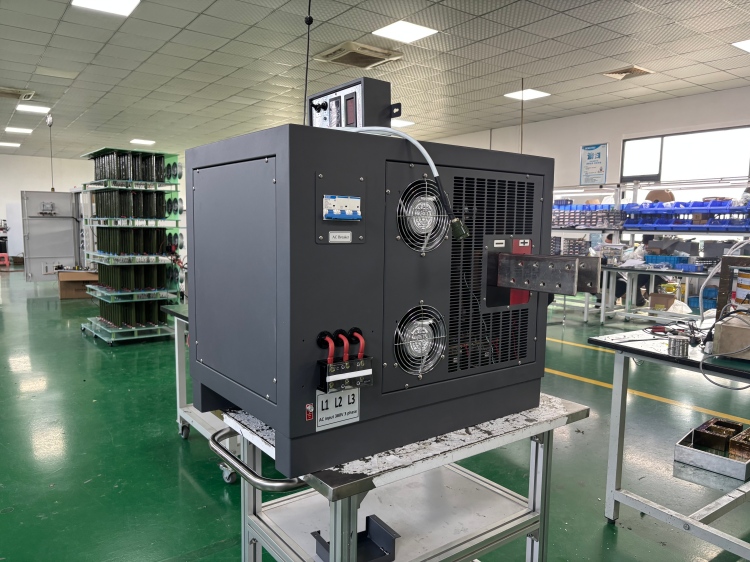
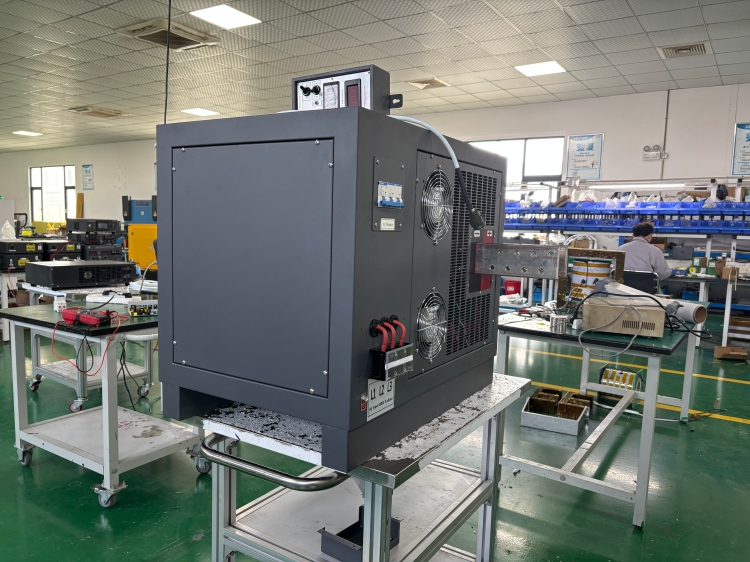
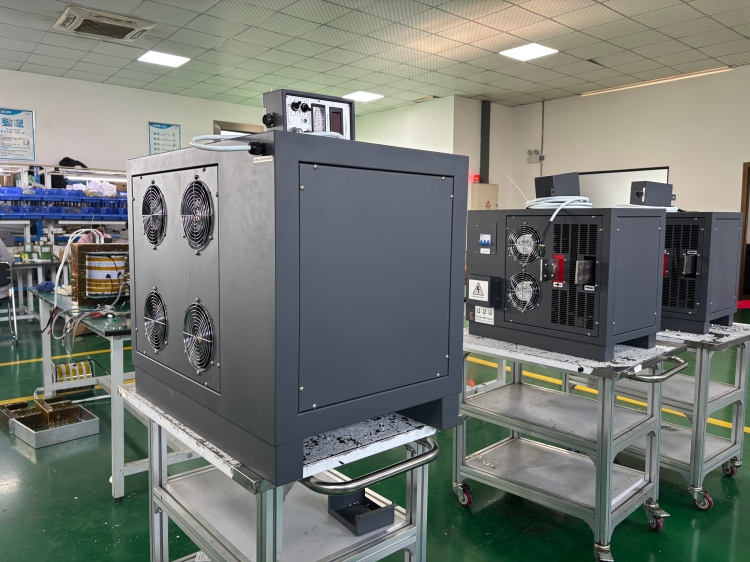
But here’s what many don’t see — the real game-changer isn’t just the electrolysis tank. It’s what powers it: the high-frequency rectifier.
Think of the electrolysis cell as the kitchen, and the rectifier as the chef controlling the flame. Old-school rectifiers were more like slow-cookers — heavy, steady, but not very responsive. Today’s high-frequency rectifiers act more like induction cooktops: fast, precise, and highly controllable.
Why does that matter on the factory floor?
For starters, stability. Electrolysis hates surprises. A flicker in current can mean uneven plating, rejected batches, or wasted material. High-frequency rectifiers deliver clean, steady DC power — eliminating those costly hiccups.
Then there’s control. Traditional power units might let you adjust amperage up or down. But with high-frequency tech, you’re fine-tuning waveforms, pulse settings, and reversal timing. That’s what makes the difference between a decent electroplate and a flawless one — especially when working with sensitive materials like gold or aerospace alloys.
And it opens the door to real optimization. On a galvanizing line, tweaking the output profile can mean better coating adhesion without extra zinc. In aluminum anodizing, tighter current control boosts hardness and corrosion resistance — no extra steps needed.
That’s why more plants are switching. Not because it’s new, but because it solves problems: less energy waste, fewer rejects, more consistent output. In an industry moving toward leaner and smarter production, the high-frequency rectifier isn’t just supporting the process — it’s elevating it.
Post time: Jan-16-2026


